Fashion 4 Ukraine: NYFW is beautiful, feminine, and original again
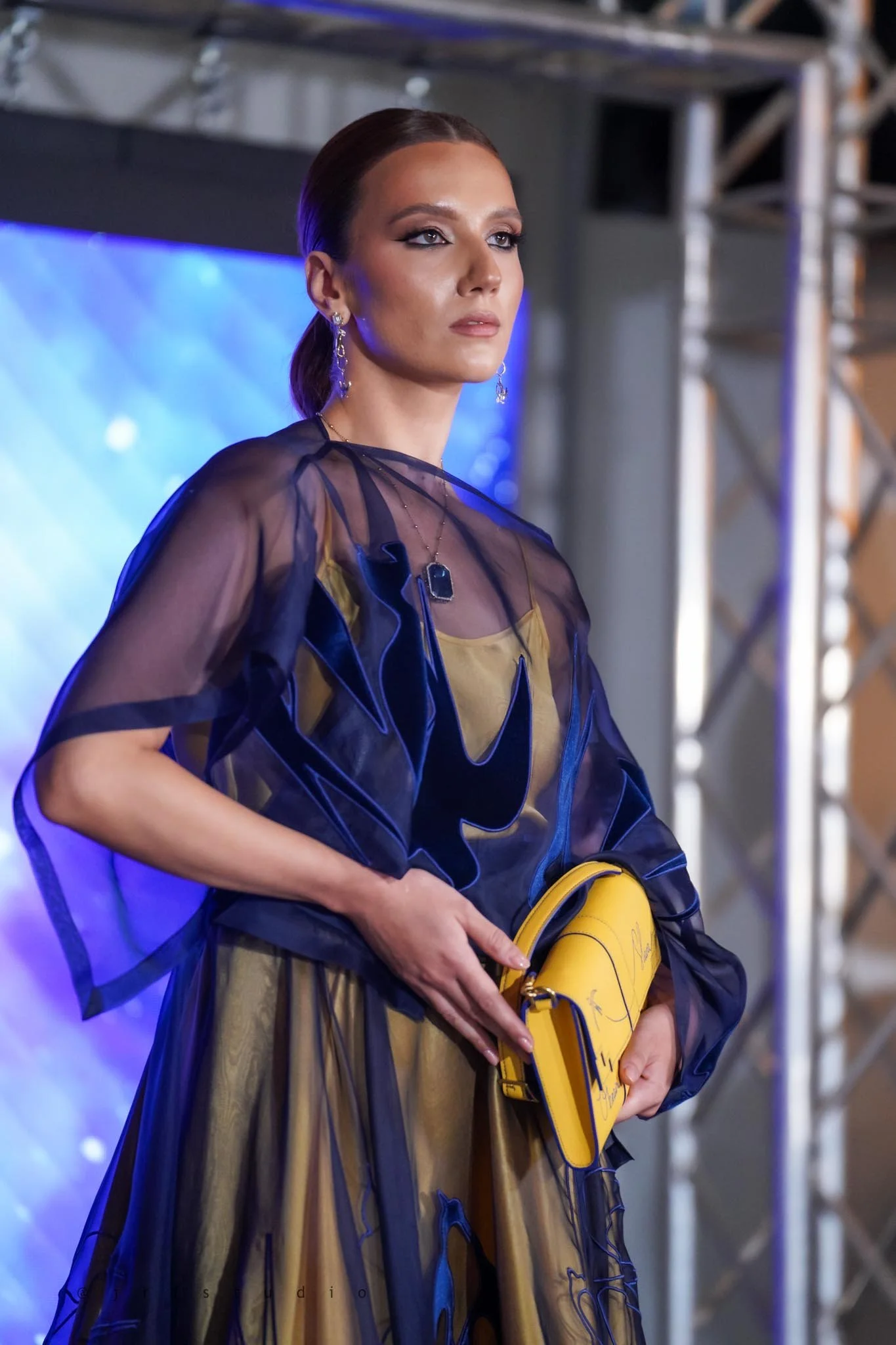
As Fashion 4 Ukraine closes the production circle of its third season, the platform reaffirms its role as far more than a New York Fashion Week showcase. It is an ambassadorship platform created to support Ukrainian designers rebuilding their lives and careers in the United States—through runway exposure, press visibility, and meaningful industry connections—while preserving cultural identity. In a fashion capital saturated with spectacle, Fashion 4 Ukraine stands apart for its clarity of purpose: this is runway as cultural diplomacy, fashion as testimony.
Founded by Olga Ivanidi, a Ukrainian model and journalist whose life bridges Kyiv and New York, the initiative was born not out of trend forecasting, but from lived urgency. Combining fashion, media, and international production, Ivanidi shaped the platform as a response to displacement and disruption—where creativity becomes a voice for resilience, and where the runway becomes a form of soft power. Fashion 4 Ukraine does not simply present garments; it presents continuity.
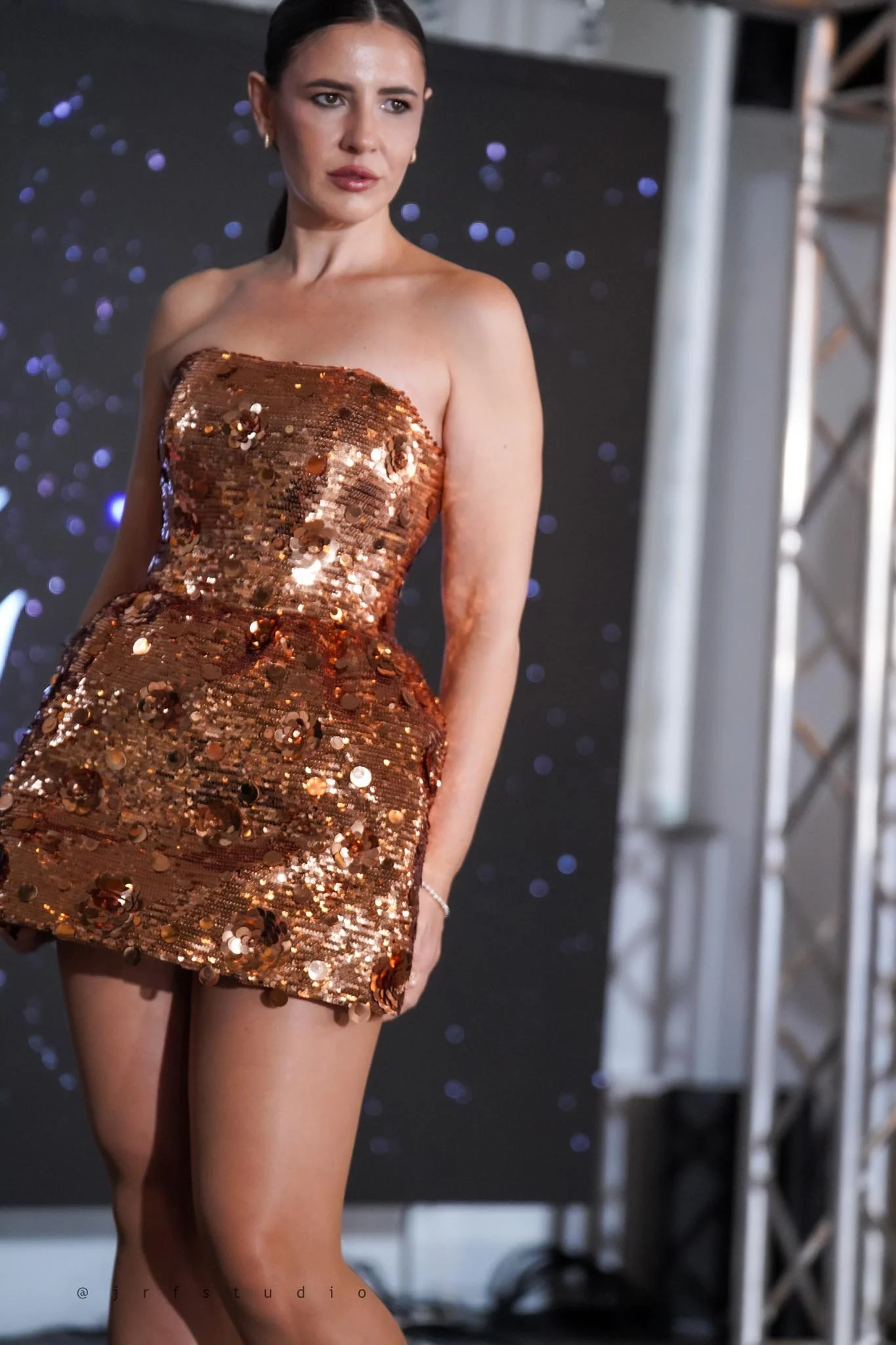
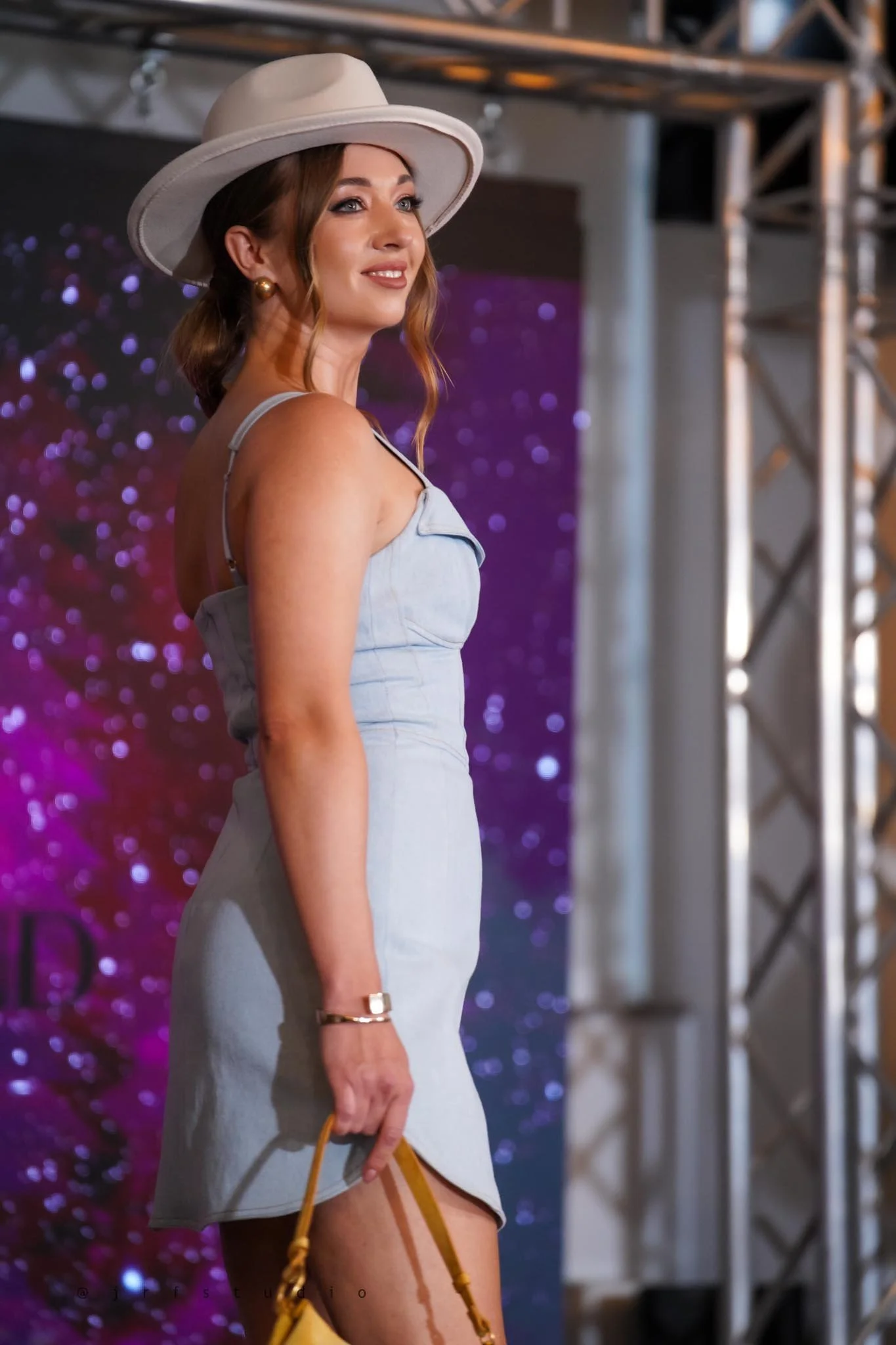
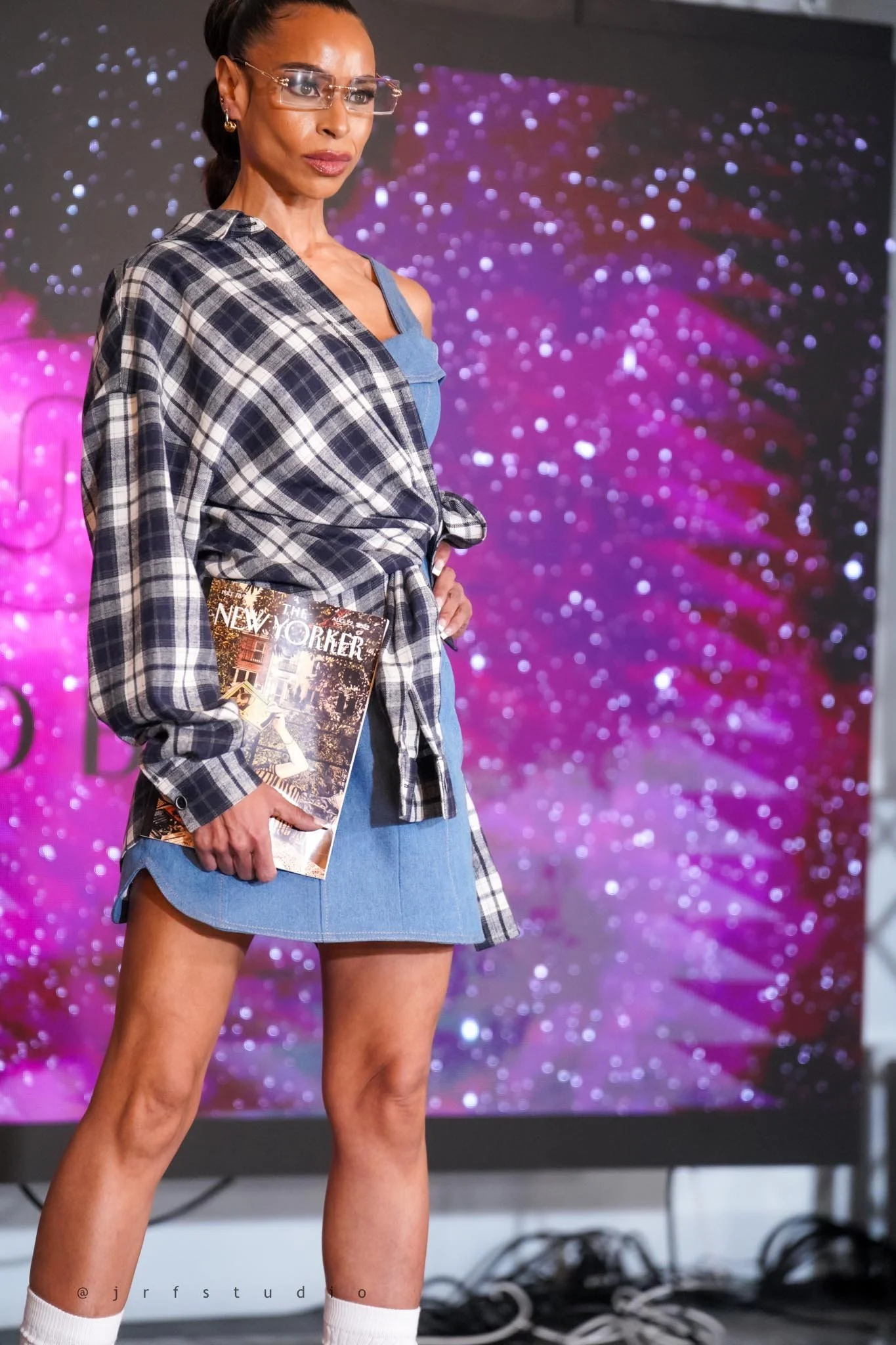
Season Three: “Falling for New York”
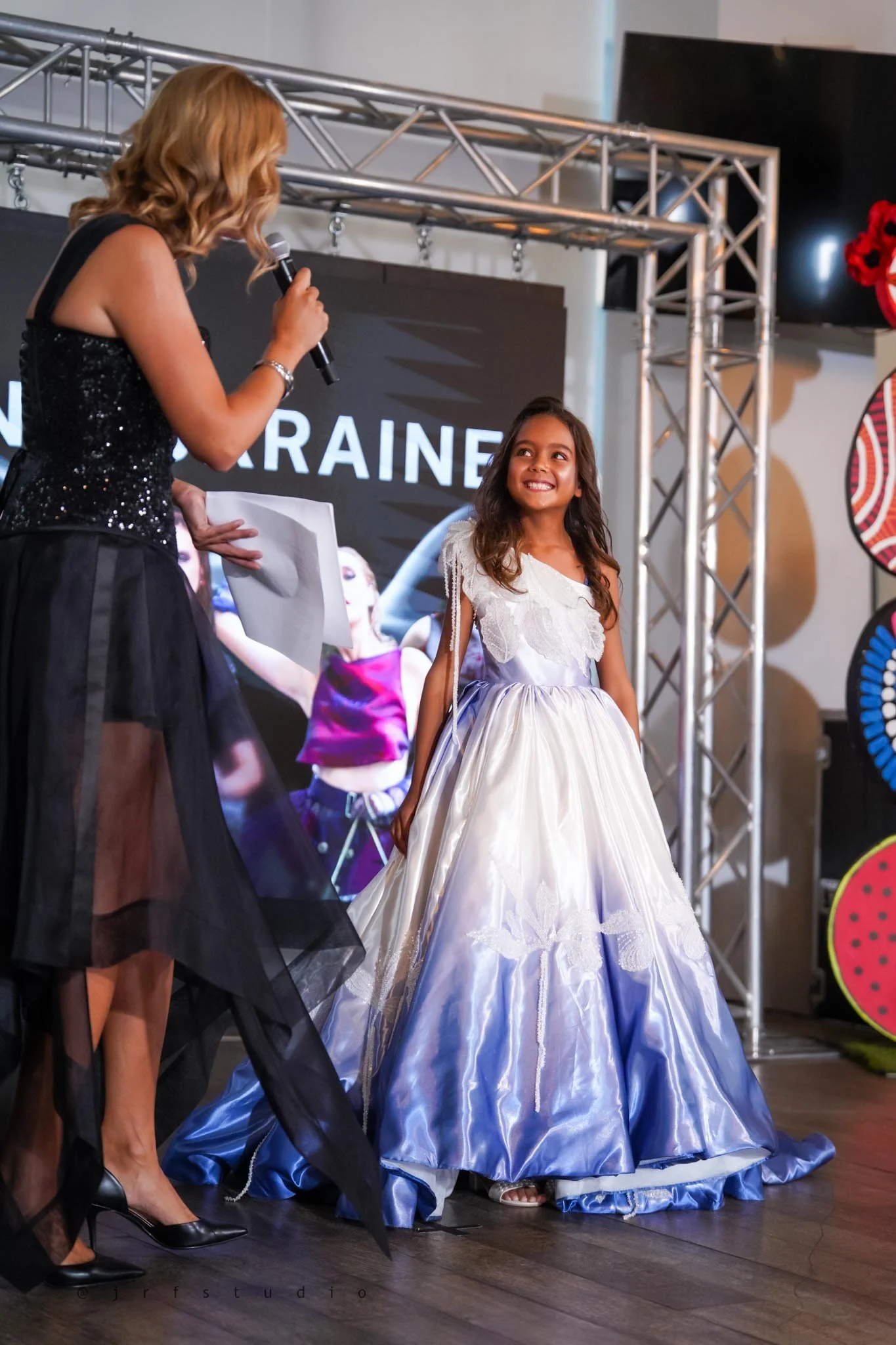
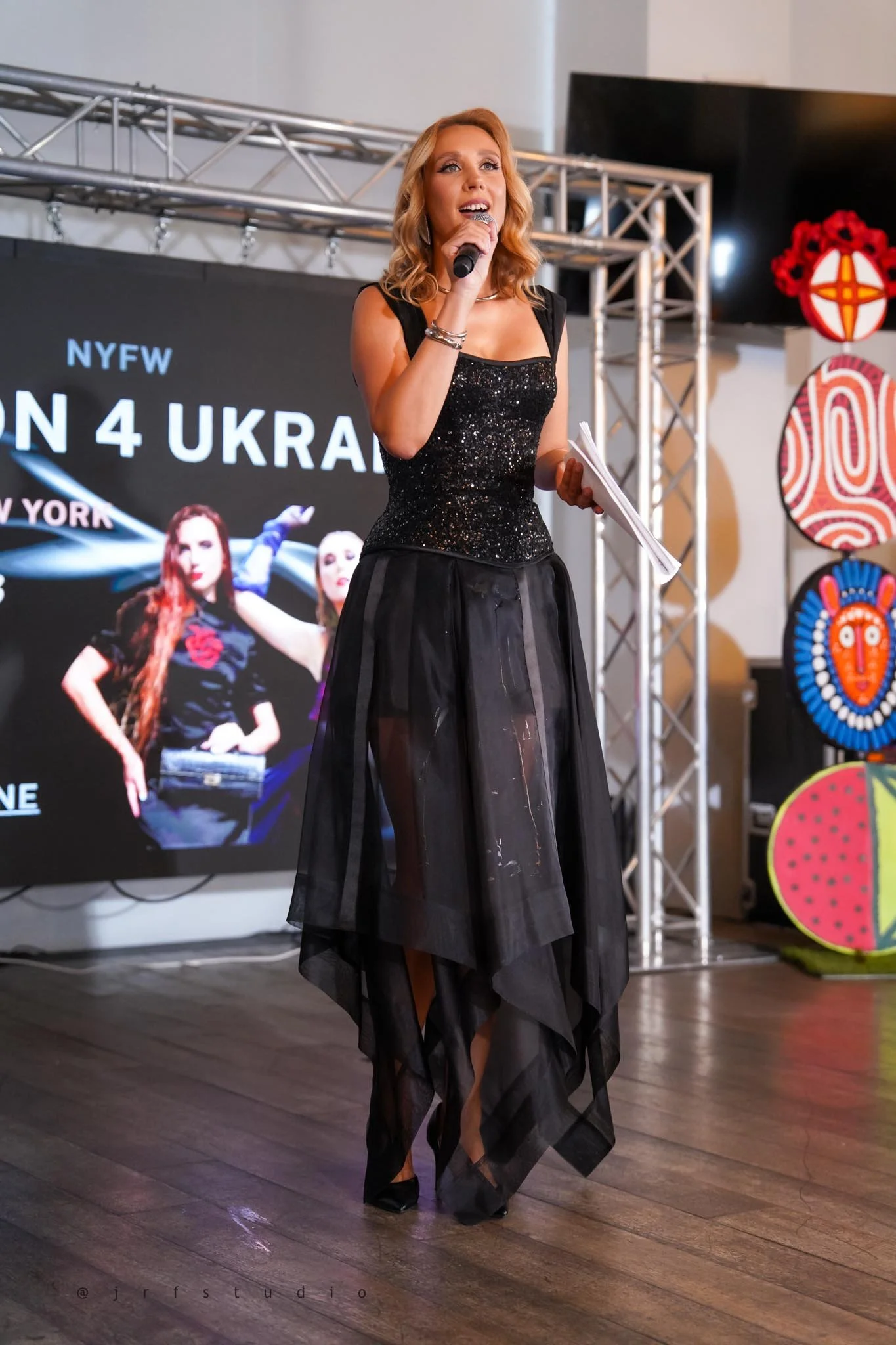
Presented in September 2025, Season Three carried the theme “Falling for New York.” It was a love letter—to a city, to survival, to reinvention. More specifically, it was dedicated to Ukrainians who embraced New York and rebuilt themselves within its rhythm. The collections translated the city’s energy, diversity, architecture, and motion into deeply personal narratives.
The concept was elegantly layered. New York is not only a city of reinvention; it is a city of compression. Space is scarce. Time is expensive. Identity is performed daily. The designers responded with collections that felt kinetic—structured tailoring offset by fluid silhouettes, urban palettes broken by bursts of folkloric color. It was not nostalgia. It was integration.
One story defined the emotional core of the season. Ukrainian brand U’NEED, whose production facility in Lviv was destroyed by a Russian missile on July 12, 2025, rebuilt entirely within two months. They created a new collection from scratch and delivered it to New York in time for the show. That debut was not staged as tragedy. It was staged as fact. The garments—clean lines, practical elegance—stood as evidence that production can be interrupted, but creation cannot.
Season Three also pushed structural boundaries. Fashion 4 Ukraine introduced kidswear for the first time, expanded male representation on the runway, and gave space to designers rebuilding their lives in the U.S. Among the standout moments was HARNA by Oksana Sydorchak, who debuted her first full collection blending Ukrainian poetry with modern silhouettes. Her work felt lyrical without becoming literal; textural layering suggested pages, memory, and voice.
The runway was graced by an international lineup of titleholders, including Anna Zaiachkivska (Miss World Ukraine 2013), Anastasia Chernova (Miss Ukraine Universe 2012), Anhelina Smith (Miss Ukraine World 2024), Iryna Kushnerchyk (Miss USA World Elite 2025), Noah Cajina (Miss New York 2025), and Jordyn Campion (Teen Miss Earth USA 2025). Their presence was more than ceremonial; it underscored the transnational dialogue at the heart of the platform.
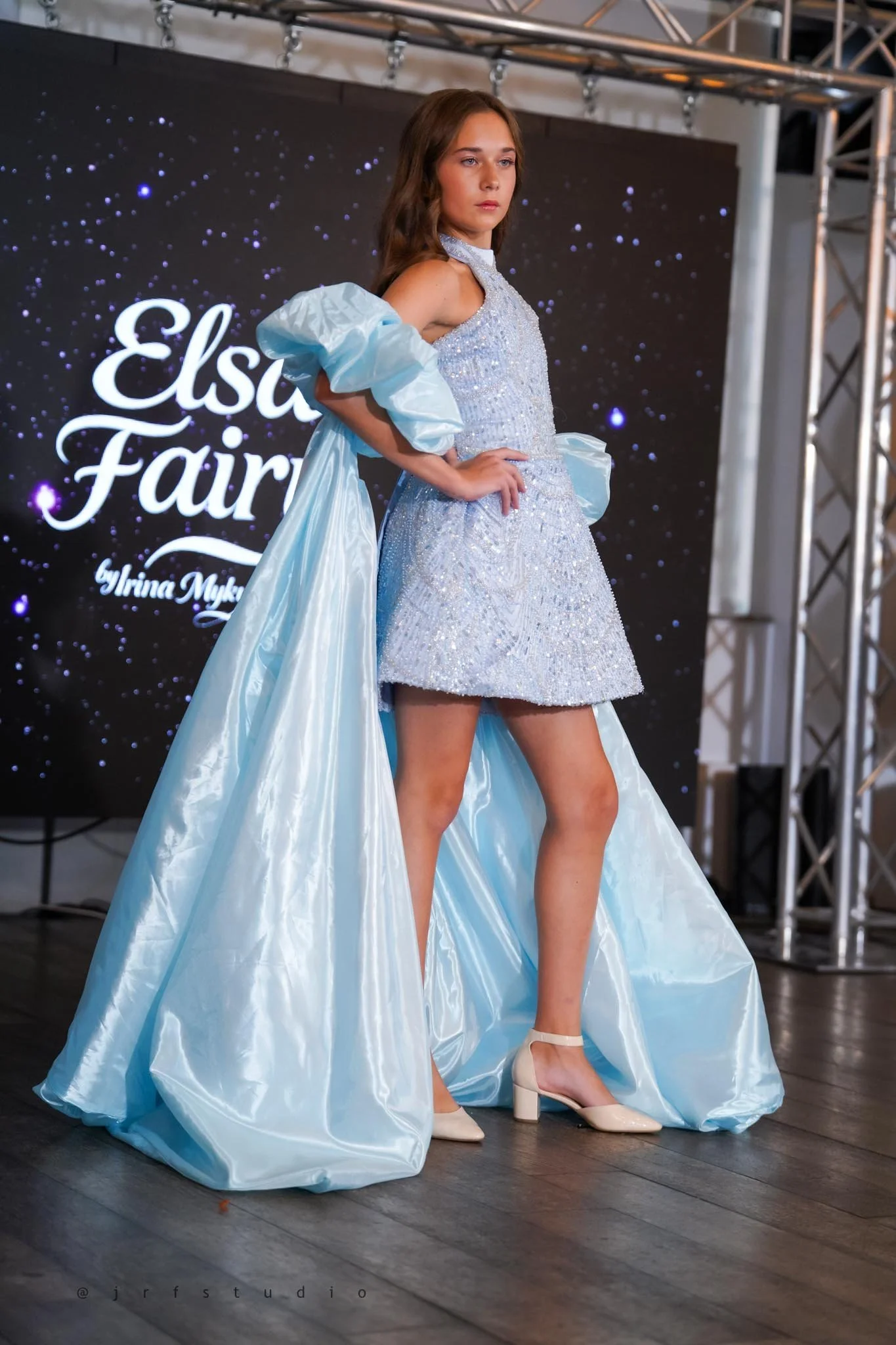
A deeply personal full-circle moment came when founder Olga Ivanidi took the stage with her 8-year-old American-born daughter, who opened the show for kidswear brand Elsa Fairy Dresses, speaking Ukrainian from the runway. In that instant, the theme crystallized: heritage is not frozen in time; it is spoken forward.
Remaining true to its mission, Fashion 4 Ukraine raised $1,487 for Misto Dobra (“City of Goodness”), supporting children and mothers in crisis in Ukraine, through a charity raffle backed by nearly twenty Ukrainian-owned businesses. The sum, though modest, represented something larger: community mobilized through fashion.
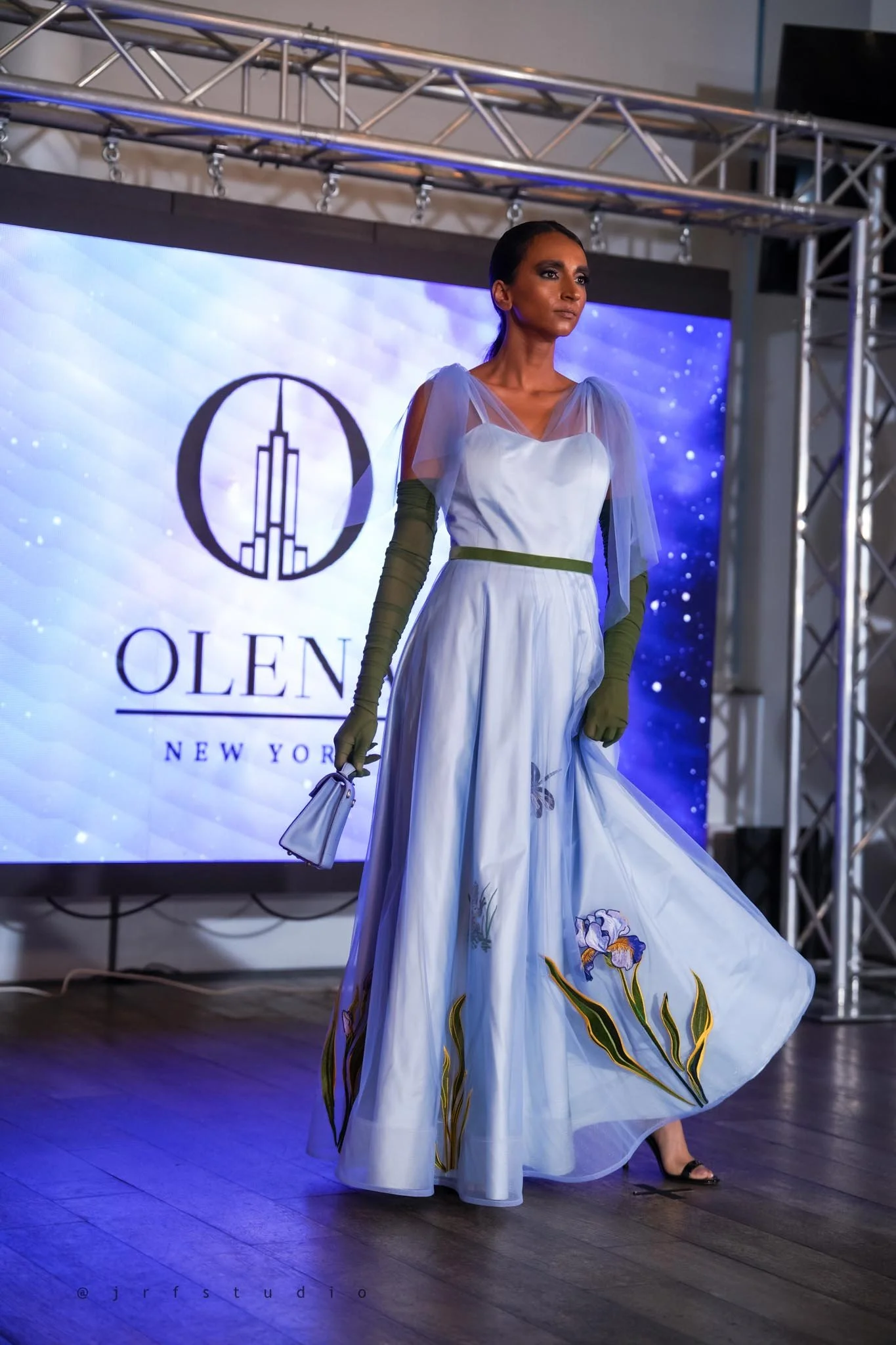
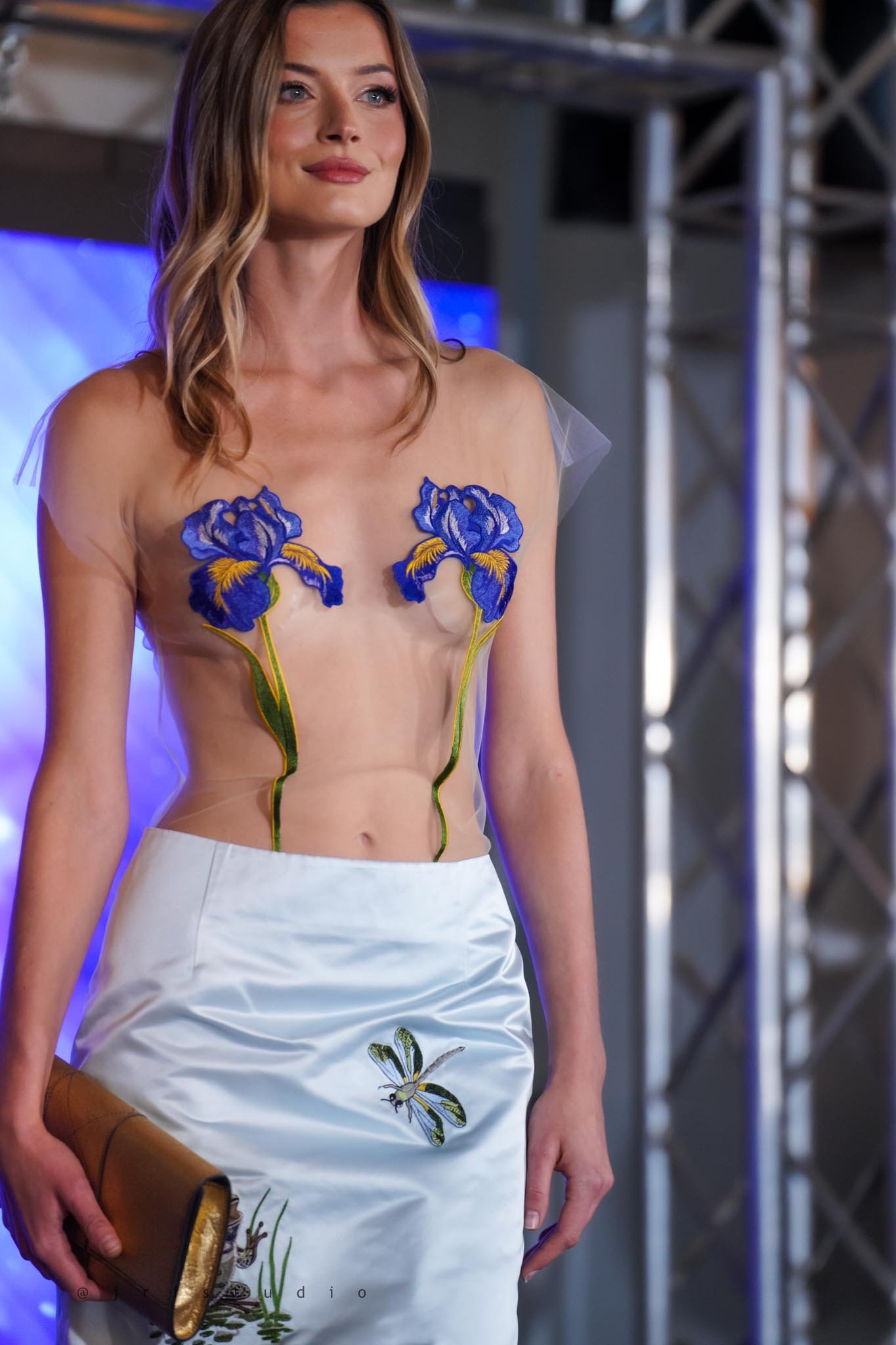
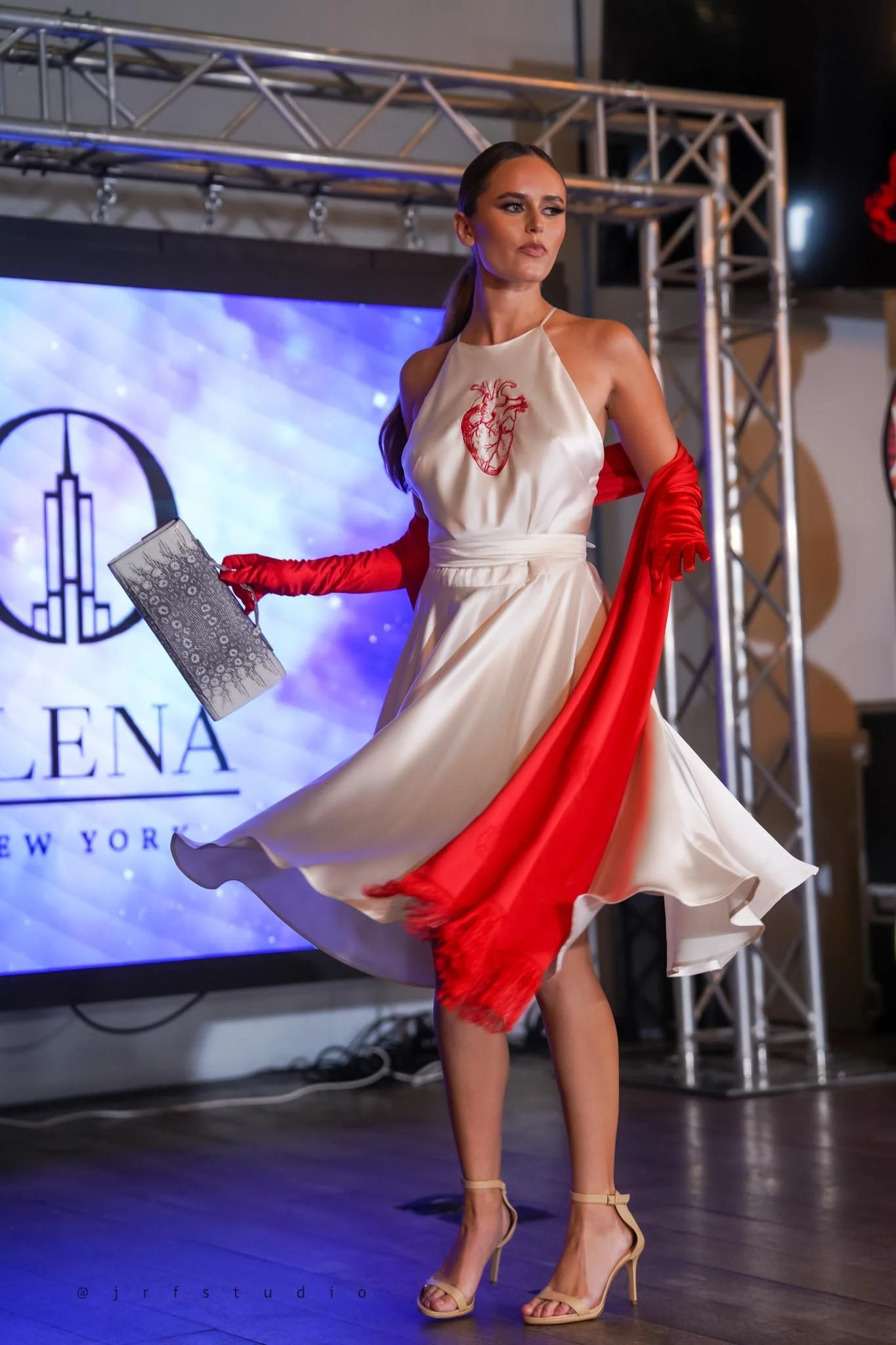
Season Three featured collections by Ukrainian-American designers Anna Yudaeva, Olena New York, YourWay, and AnnaBo, alongside American ally designer Vaida—whose participation signaled solidarity beyond borders.
And yet, Season Three felt like a threshold. A closing circle. The prelude to something more expansive.
Looking Ahead: Season Four
Building on that momentum, Fashion 4 Ukraine Season Four promises an expanded designer lineup and a sharpened aesthetic voice. The forthcoming roster includes Mary Witch, Lara Kim, Vaida, Bazhana, Kabdul & Hinkelman, Kniga, Ambitna, Ira Lysa, and Swan Gowns—each bringing a distinct vocabulary to the platform.
Season Four also includes a special appearance by Nancy Volpe Beringer, the Project Runway Season 18 runner-up, presenting a collection in support of Ukraine. Her involvement signals that Fashion 4 Ukraine is not isolated—it is integrated into the broader American fashion ecosystem.
A highlight of the season is “Free Bird,” an artistic collection by ART’elb moda and designer Larysa Kokhana. Blending contemporary fashion with Ukrainian heritage, the collection features Krolevets patterned weaving—a rare craft recognized as part of Ukraine’s National Intangible Cultural Heritage. Having represented Ukraine across Europe, “Free Bird” now graces the New York runway at Lavan Midtown on February 13, doors open at 4:00 PM. Tickets are available via @fashion4ukraine.
But it is the core designers of Season Four who define its aesthetic direction.
Mary Witch: Ritual and Modernity
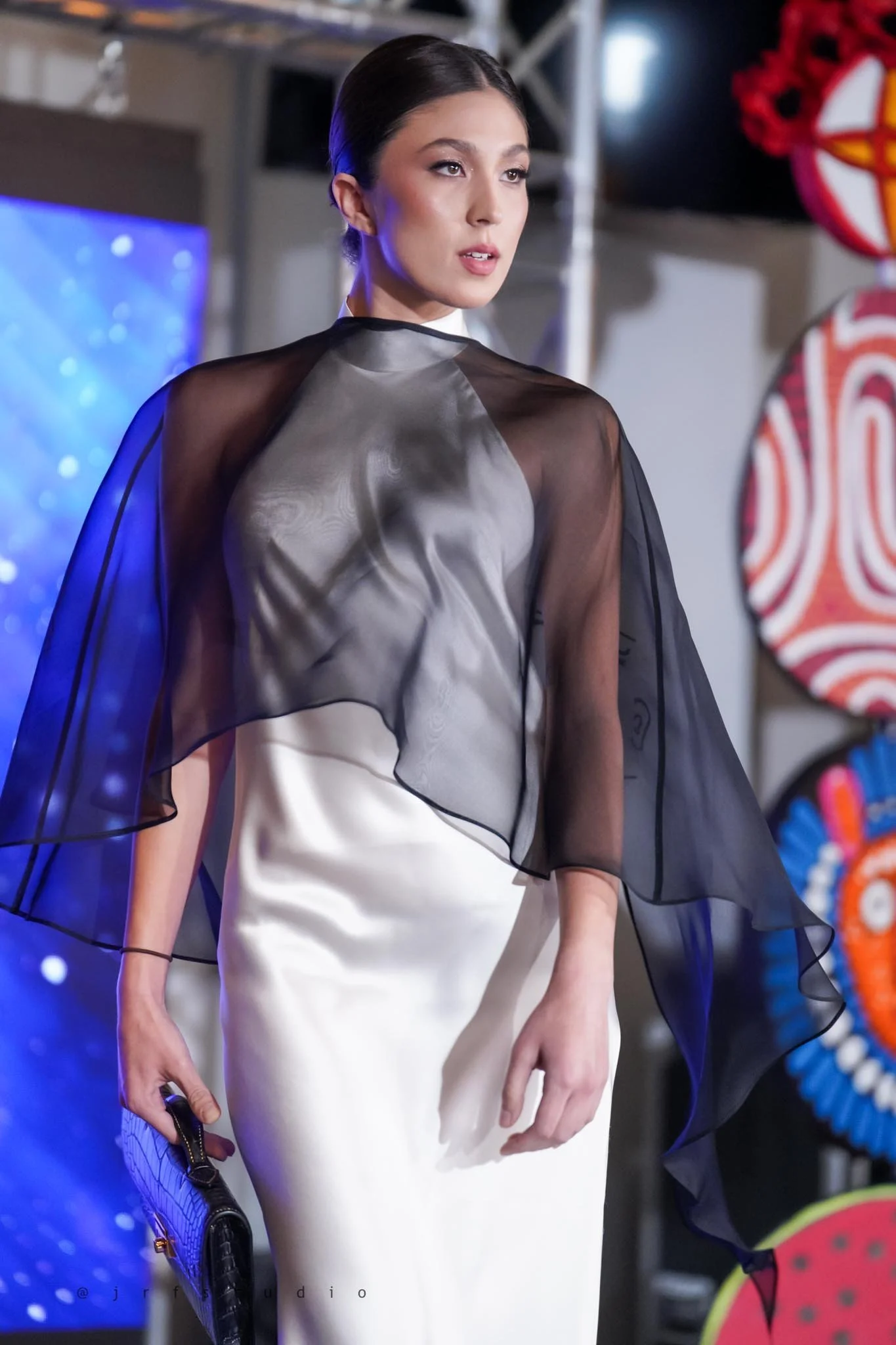
Mary Witch arrives with a visual language that feels ceremonial yet urban. Her silhouettes often reference structured capes, elongated sleeves, and architectural draping, but she tempers drama with precision tailoring. There is an undercurrent of ritual—garments that feel intentional, almost protective.
In the context of Fashion 4 Ukraine, Mary Witch’s work resonates as armor. Not defensive, but declarative. She uses texture strategically: matte fabrics juxtaposed with subtle metallic thread, suggesting resilience without overt symbolism. Her palette leans toward midnight, ash, and muted burgundy—colors that evoke dusk in Manhattan, that hour when office towers darken and the city shifts register.
Mary Witch does not design costumes; she designs presence.
Lara Kim: Fluidity in Transition
Lara Kim’s strength lies in motion. Her garments rarely sit still. Bias cuts, layered translucence, and softened tailoring create silhouettes that move with the body rather than impose upon it. In a season centered on rebuilding and transition, her work feels particularly apt.
There is a cosmopolitan sensibility in her use of fabric—silk blends, structured crepe, and sheer overlays. Yet beneath the refinement lies narrative. Her collections often explore migration and hybridity through subtle detail: a lining embroidered in traditional pattern hidden beneath a sharply modern exterior.
Lara Kim designs for women navigating multiple identities—professional, maternal, diasporic. She does not choose between them; she allows them to coexist.
Vaida: The American Ally
Vaida’s continued presence underscores Fashion 4 Ukraine’s commitment to collaboration. As an American designer, her work stands not in contrast but in dialogue. Vaida’s aesthetic often leans minimalist—clean lines, monochromatic statements, sculptural shapes.
In Season Four, Vaida is expected to expand her exploration of structured femininity. Think strong shoulders, defined waists, deliberate negative space. Her garments carry an editorial sharpness that translates seamlessly into New York’s fashion landscape.
Her participation is not tokenistic; it is strategic. Vaida represents the bridge—proof that Ukrainian fashion does not stand apart from New York; it stands within it.
Bazhana: Heritage Reimagined
Bazhana brings an unmistakable reverence for Ukrainian craft. Embroidery, textile layering, and folkloric motifs appear not as museum relics but as living language. She scales tradition—sometimes enlarging patterns to architectural proportion, sometimes reducing them to subtle accents.
Her work carries weight—historical weight—but she refuses heaviness. Structured skirts and tailored jackets coexist with softened blouses and contemporary cuts. Bazhana’s gift is balance. She allows heritage to breathe.
Kabdul & Hinkelman: Precision and Dialogue
Kabdul & Hinkelman operate almost as an atelier in conversation. Their collections emphasize construction: seam placement, fabric engineering, and proportion. Where some designers gesture toward resilience symbolically, Kabdul & Hinkelman embed it structurally.
Expect tailoring that references European precision but is styled with New York restraint. Their garments do not shout; they assert. In a platform built on rebuilding careers and identities, such quiet authority feels deliberate.
Kniga: Narrative in Fabric
Kniga—whose name evokes “book”—approaches fashion as storytelling. Prints may reference text, layout, or typographic rhythm. Her garments often feel like pages in motion.
There is intellectual play here. Structured dresses layered over unexpected textures; coats that read like chapters. Kniga aligns perfectly with Fashion 4 Ukraine’s ethos: fashion as narrative, runway as publication.
Ambitna: Ambition as Aesthetic
Ambitna designs with upward motion in mind. Vertical lines, elongated silhouettes, and assertive cuts create garments that seem to rise. Her palette frequently incorporates strong neutrals—graphite, ivory, steel—offset by bold accent tones.
Ambitna’s aesthetic mirrors New York itself: forward-moving, unapologetic. She dresses women who claim space without asking permission.
Ira Lysa: Romantic Modernism
Ira Lysa leans into softness without surrendering structure. Her dresses often feature flowing skirts paired with defined bodices, suggesting romance disciplined by architecture. There is lyricism here—fabric that catches light, movement that feels cinematic.
Within Season Four’s lineup, Ira Lysa provides emotional counterpoint. Where some designers explore strength through tailoring, she explores it through grace.
Swan Gowns: Ceremony Reclaimed
Swan Gowns closes the circle with bridal and formalwear that feels ceremonial in the truest sense. These are not merely gowns for events; they are garments for thresholds.
Expect volume—layered tulle, sculpted bodices, dramatic trains—but also control. Swan Gowns understands that spectacle must be grounded in craftsmanship. In the context of Fashion 4 Ukraine, bridalwear carries added symbolism: continuity, future, commitment.
The Broader Significance
Fashion 4 Ukraine’s evolution from Season Three into Season Four demonstrates something rare in contemporary fashion production: coherence. The platform is not chasing trends. It is building infrastructure.
The venue—Lavan Midtown—places the event squarely within New York’s fashion geography. Yet what happens on that runway extends beyond Midtown. It reverberates through diaspora communities, through ateliers rebuilding production, through young designers recalibrating careers across continents.
As Fashion 4 Ukraine moves forward, its mission remains unchanged: to elevate Ukrainian voices, preserve cultural identity, and use fashion as a language of resilience, continuity, and hope. In a global industry often criticized for amnesia, this platform insists on memory.
And as Season Four unfolds, the event will once again be covered by Livein Magazine, thanks to iconic renowned New York reporter and photographer Joseph Ralph Fraia—whose lens has long captured not just garments, but the human stories that animate them.
Fashion 4 Ukraine does not end with applause. It continues in fabric, in photographs, in archives—and in the city that made reinvention an art form.
Article by Livein Staff @livein_magazine - Photos by Joseph Ralph Fraia - @jrfstudio - jrfstudio.com